
Community Living and Sociological Foundations
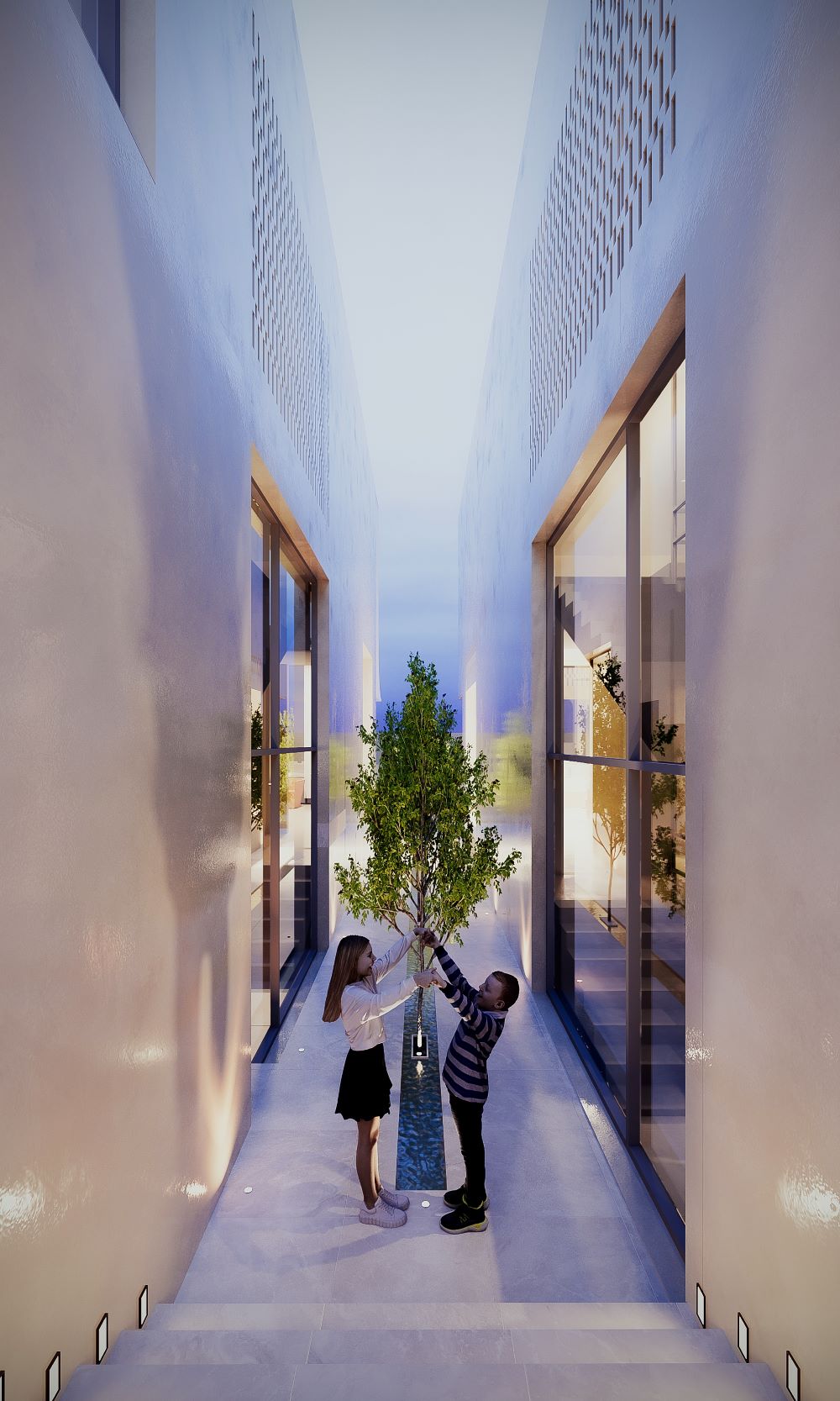
The design of the house draws on architecture, sociology, and local ethnicity to frame a community housing strategy that balances individual needs with collective living. At its core, the design reflects two fundamental German sociological concepts: Gemeinschaft and Gesellschaft, as defined by early sociologist Ferdinand Tönnies and later expanded upon by Max Weber. Gemeinschaft refers to community-oriented living, emphasizing close personal relationships, modest values, and a sense of belonging—an idea we translate into our housing proposal by promoting integration among individual families living on the same plot. Meanwhile, Gesellschaft represents a more modern, rational society based on formal structures and self-interest. Our design bridges these two approaches by encouraging a generational connection of Gemeinschaft with the structural independence and privacy enabled in society’s concept of Gesellschaft.
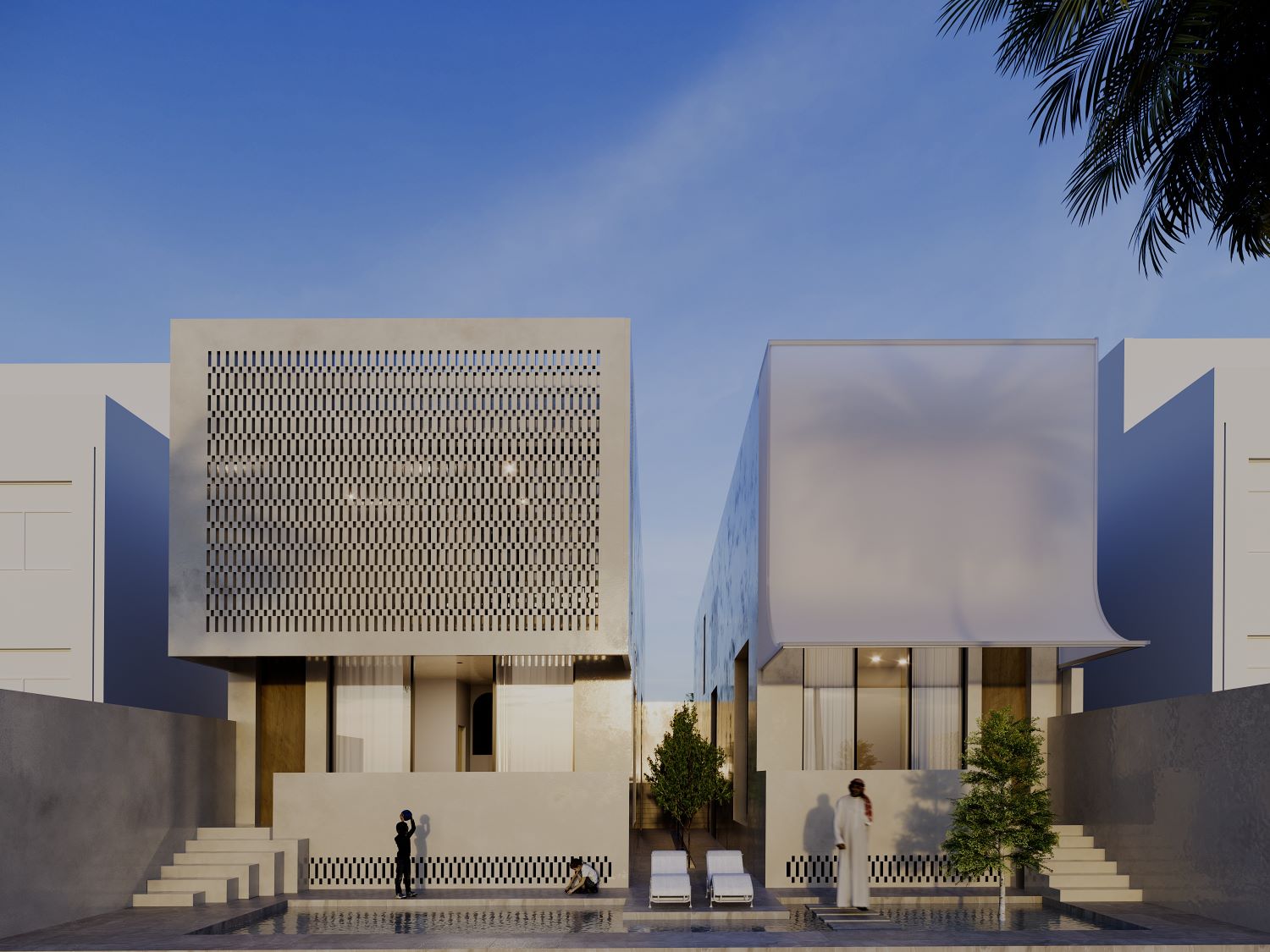
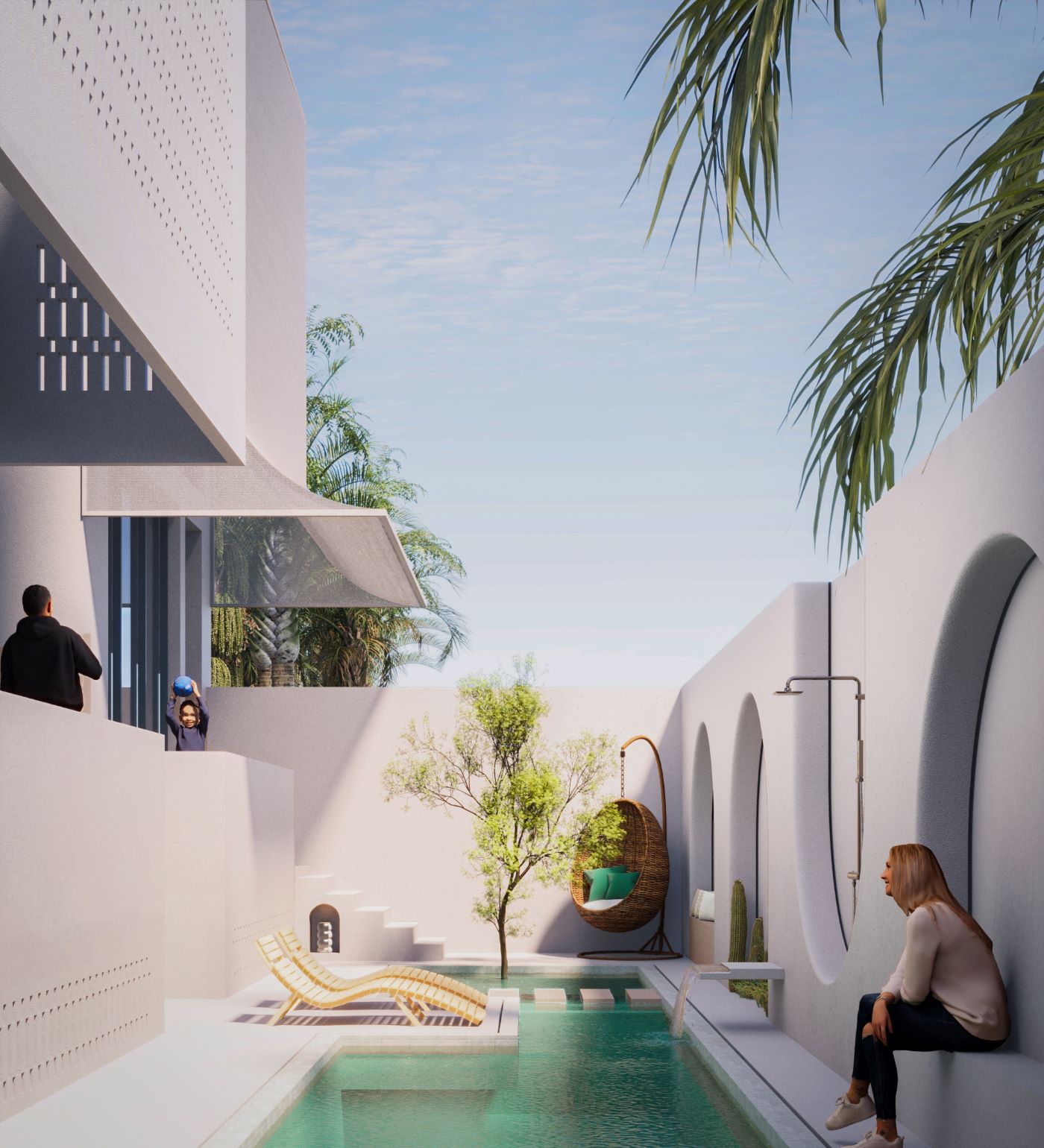
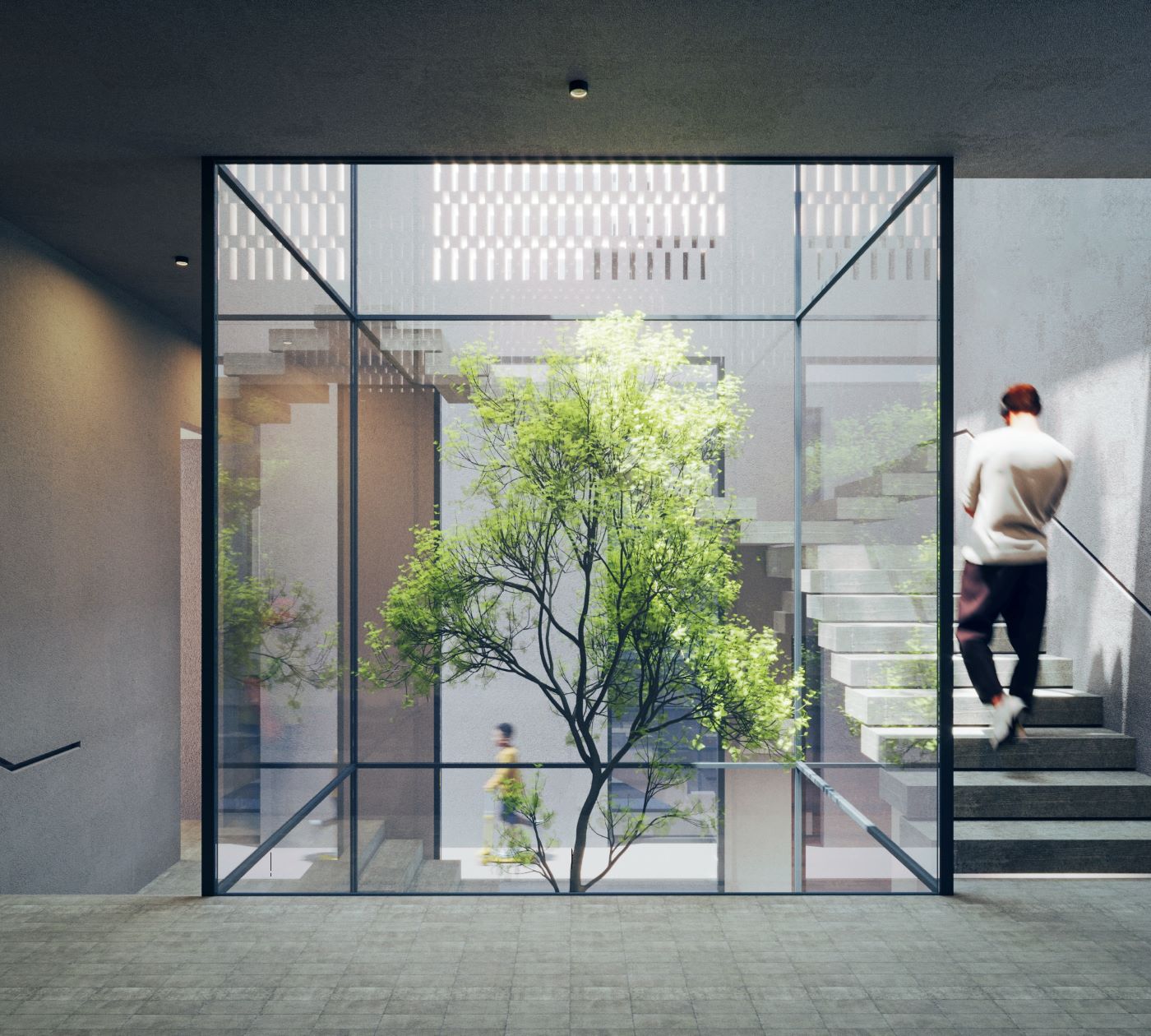
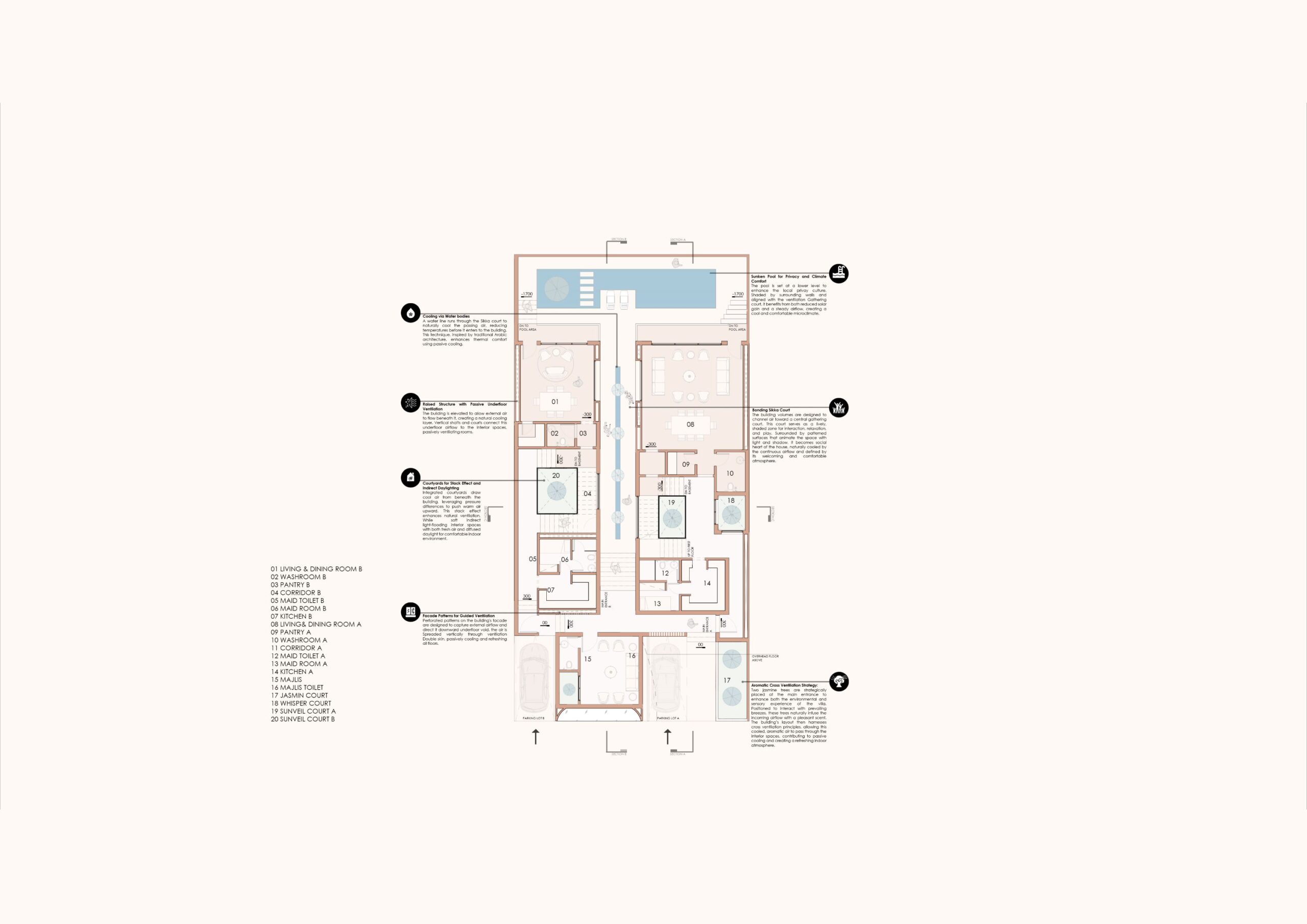
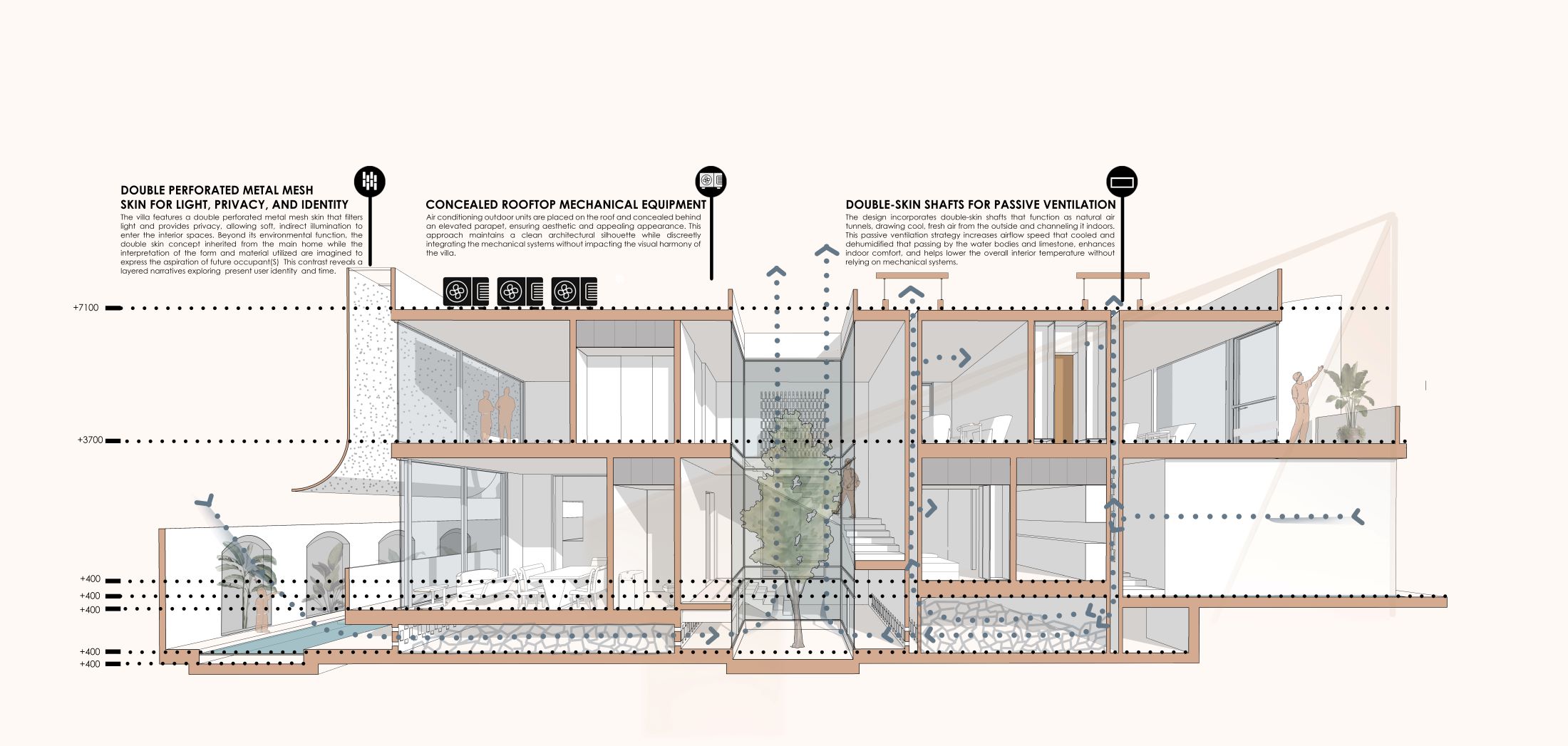
The site allows three independent homes to be planned vertically in stacked forms, all sharing a common ground floor, creating living spaces for three generations capable of evolving across generations, preserving land resources, and reinforcing familial bonds.
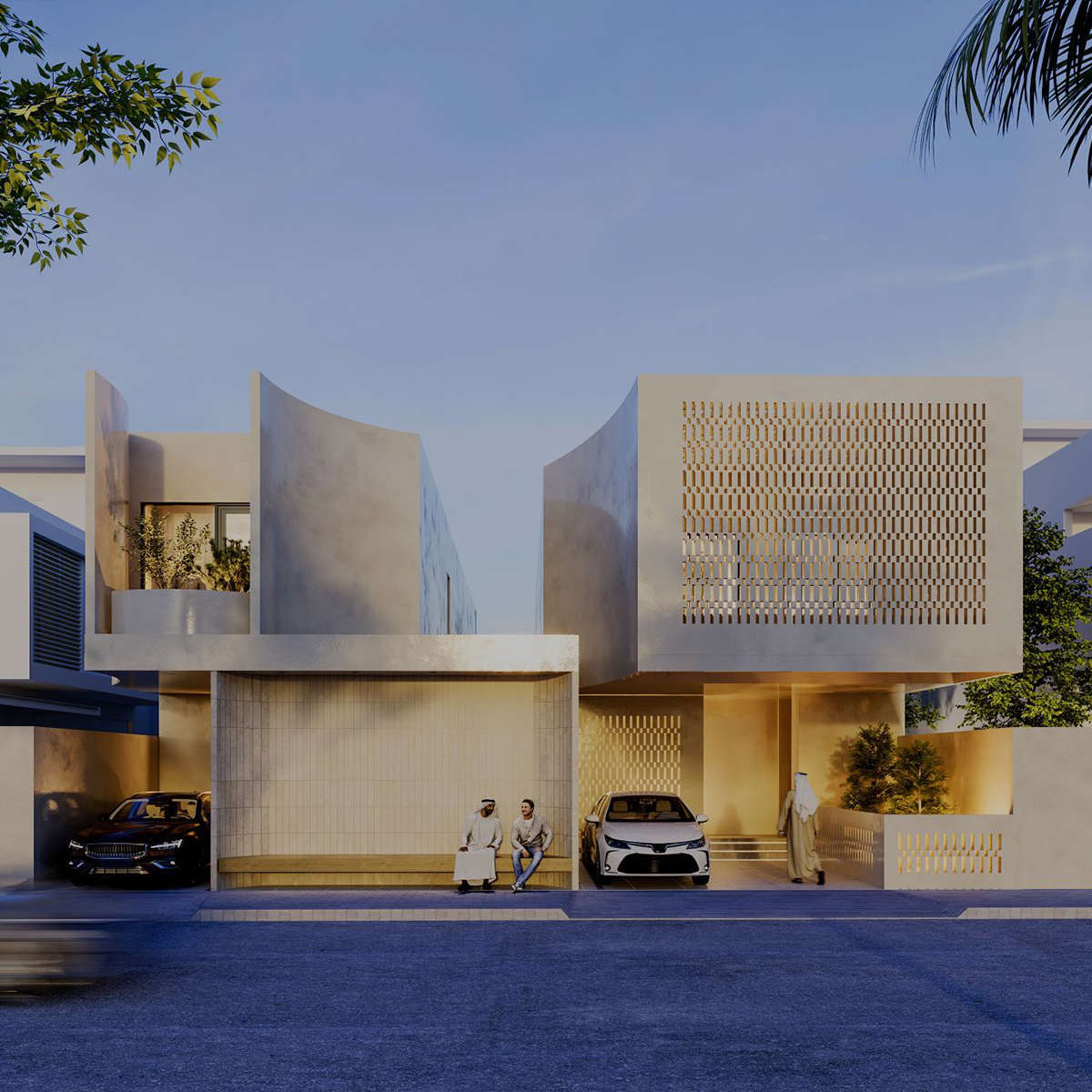
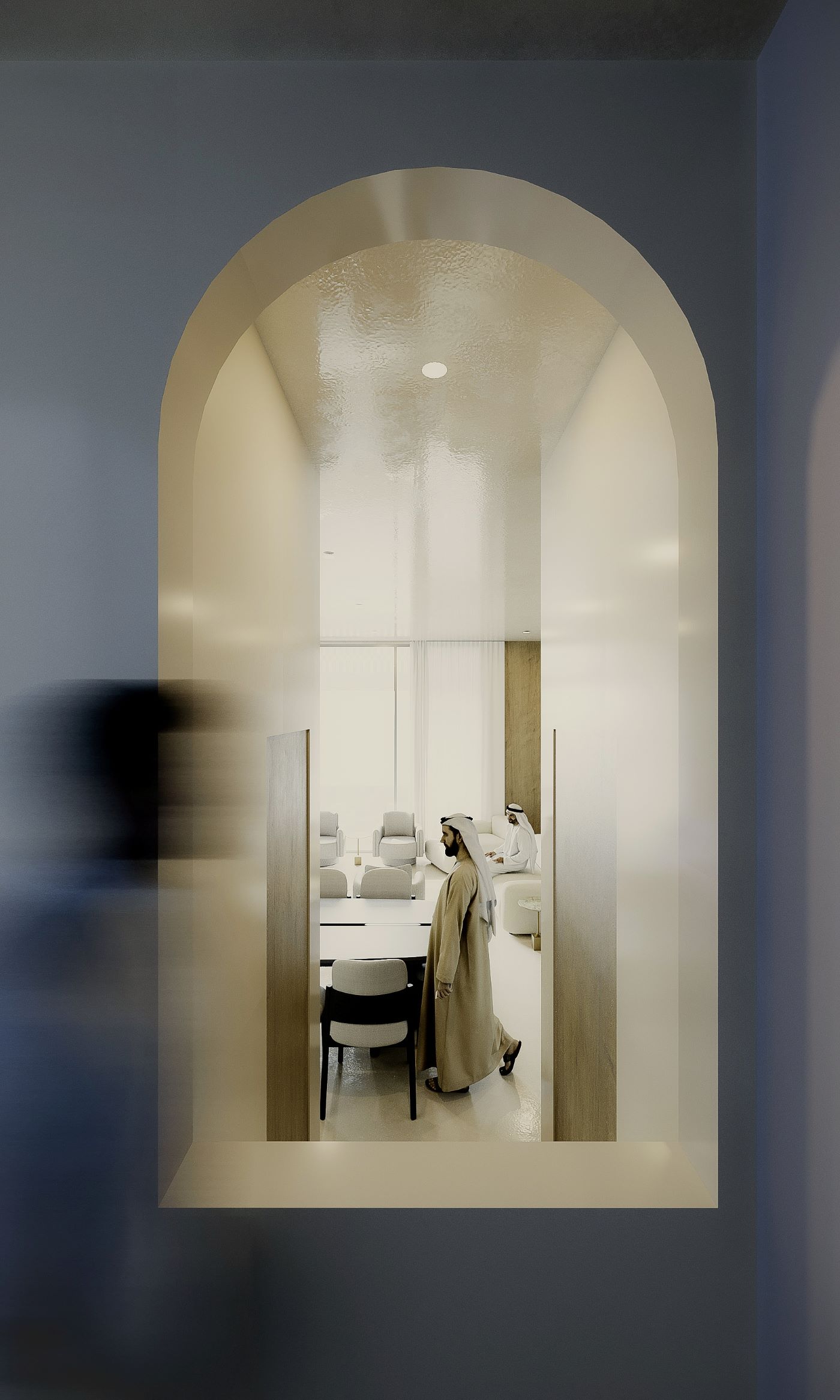
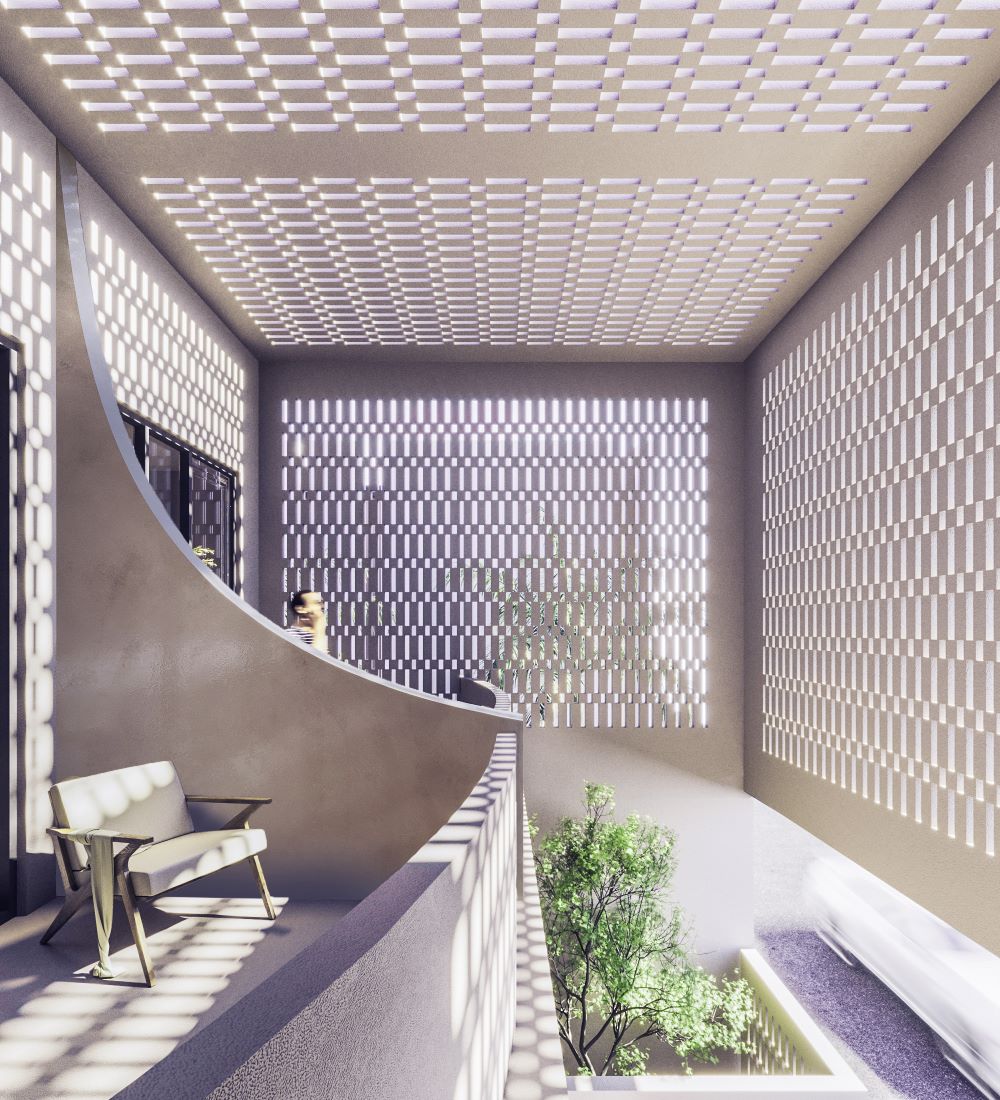
Learning from the past, we have anchored the social element integrated in the design in the Majlis, an essential component of Arab homes and hospitality traditions. The design includes both an indoor air-conditioned Majlis for use during the hotter months and an outdoor Majlis facing the street and community to create a fluid threshold between home, street, and neighbor. This dual arrangement allows for sociability while being a social space, honoring cultural traditions while meeting contemporary comfort and climatic needs.
September 1, 2025
Residential
Competition
Dubai, UAE
2025
